RetailStack ● 2026
Designing a grocery POS that reduces loses and grows revenue
Designing a grocery POS that reduces loses and grows revenue
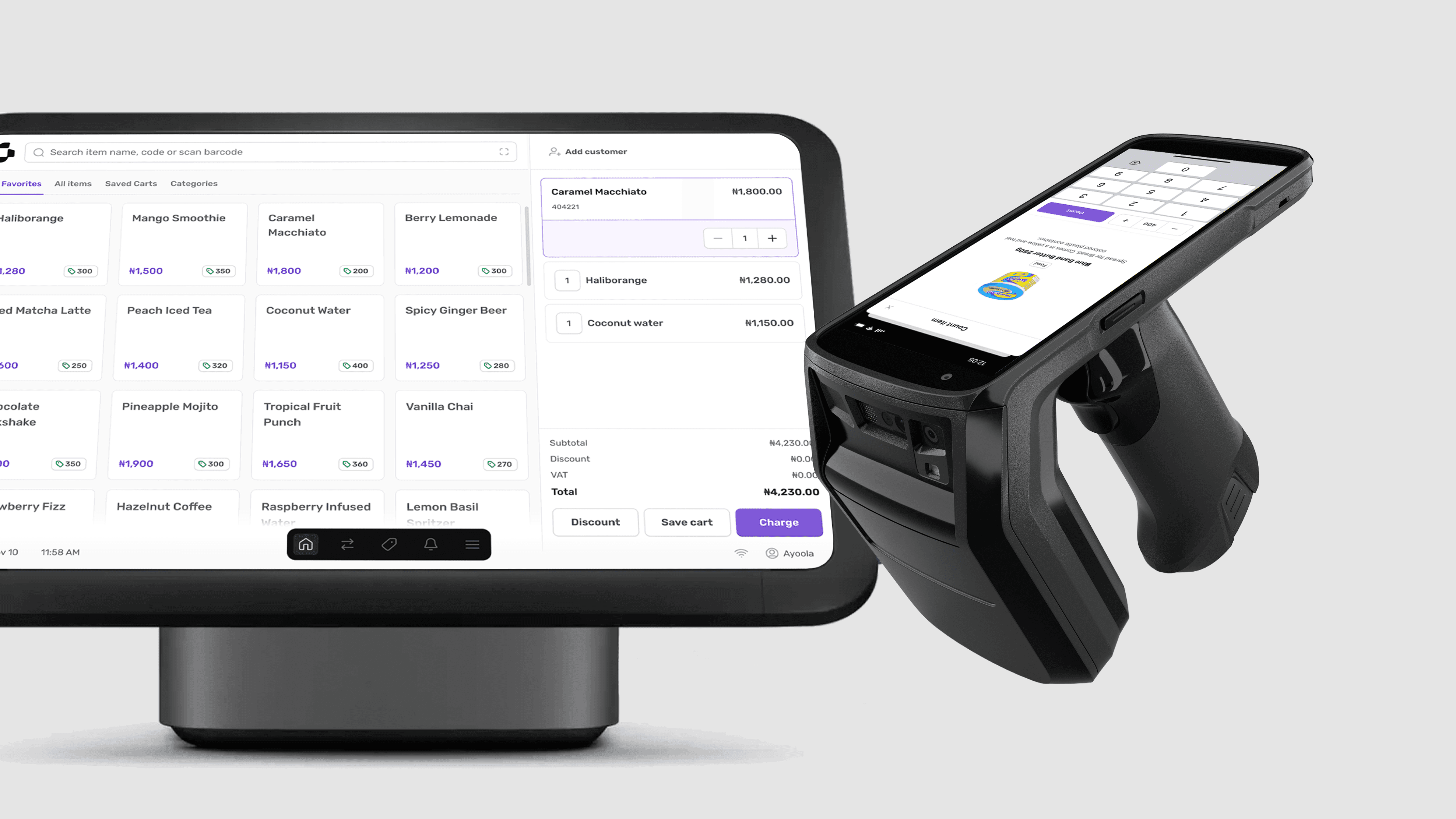
RetailStack is an integrated grocery operating system that helps stores operate faster, increase sales, and manage their inventory confidently - from anywhere.
Role
Product Design Lead
Product Designer
Deliverables
User Research
Component Library
High Fidelity Designs
Team
2x Product Designers
2x Product Manager
4x Software Engineers
Platform
Web Responsive
Mobile Application
The Problem
Independent grocery stores lose revenue daily due to fragmented, manual retail systems that slow checkout, obscure inventory, and delay pricing decisions.
Stores run fragile, manual workflows that rely on paper, spreadsheets, and disconnected tools with complex UX, which make day-to-day operations slow and error-prone.
01
Complex POS interfaces causes high cognitive load at checkout that slow cashiers, cause long queues and frustrate shoppers
02
Manual ordering, receiving, and stock-taking are prone to duplication and omissions, leading to inaccurate counts, avoidable expirations, and inventory shrinkage
03
Existing POS setups operate in silos, offering little intelligence for inventory planning to help stores optimize inventory, forecast demand, or maximize revenue
04
Creating purchase requests is largely guesswork, and receiving orders lacks proper reconciliation, causing over-ordering, under-ordering, and supplier disputes.
The small mistakes in ordering, pricing, and reconciliation compound over time, directly impacting already thin profit margins.
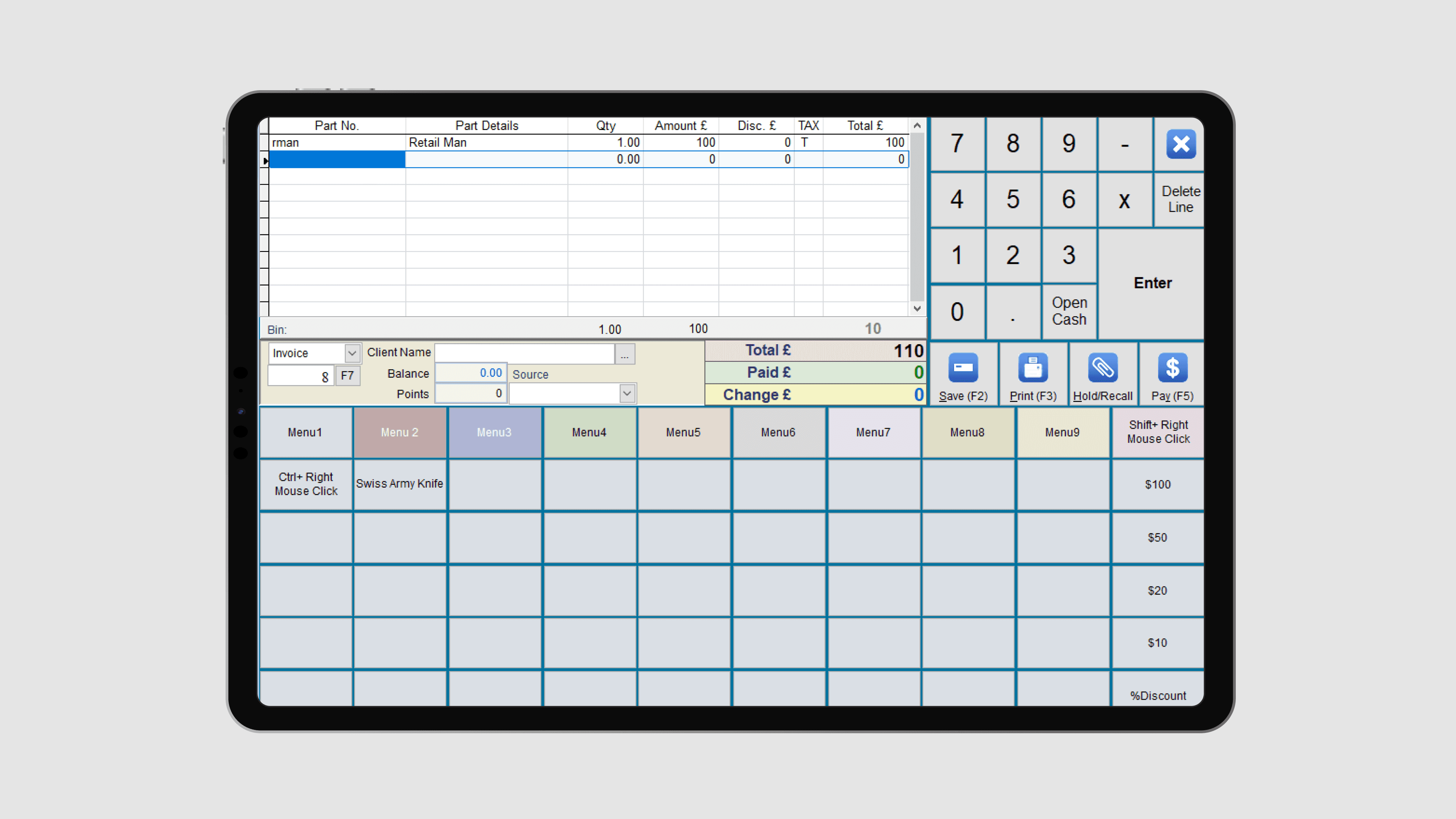
Product in use before RetailStack
Opportunity I
Designing an intuitive checkout experience, that makes cashiers instantly proficient, and keeps lines moving, especially during peak hours.
Opportunity II
Integrating operations with proactive intelligence and recommendations so stores can confidently manage their inventory to maximize their revenue.
The Problem
Independent grocery stores lose revenue daily due to fragmented, manual retail systems that slow checkout, obscure inventory, and delay pricing decisions.
Stores run fragile, manual workflows that rely on paper, spreadsheets, and disconnected tools with complex UX, which make day-to-day operations slow and error-prone.
01
Complex POS interfaces causes high cognitive load at checkout that slow cashiers, cause long queues and frustrate shoppers
02
Manual ordering, receiving, and stock-taking are prone to duplication and omissions, leading to inaccurate counts, avoidable expirations, and inventory shrinkage
03
Existing POS setups operate in silos, offering little intelligence for inventory planning to help stores optimize inventory, forecast demand, or maximize revenue
04
Creating purchase requests is largely guesswork, and receiving orders lacks proper reconciliation, causing over-ordering, under-ordering, and supplier disputes.
The small mistakes in ordering, pricing, and reconciliation compound over time, directly impacting already thin profit margins.
Product in use before RetailStack
Opportunity I
Designing an intuitive checkout experience, that makes cashiers instantly proficient, and keeps lines moving, especially during peak hours.
Opportunity II
Integrating operations with proactive intelligence and recommendations so stores can confidently manage their inventory to maximize their revenue.
Design goals
How might we
Design a "zero-learning-curve" checkout interface that empowers seasonal staff to perform like veterans during peak traffic?
Eliminate manual (paper-based) stocktaking and guesswork with intuitive, intelligent inventory workflows that keep stores optimally stocked and profitable?
Connect operations and transform static inventory data into actionable "intelligent recommendations," allowing owners to make confident decisions in real-time?
Design goals
How might we
Design a "zero-learning-curve" checkout interface that empowers seasonal staff to perform like veterans during peak traffic?
Eliminate manual (paper-based) stocktaking and guesswork with intuitive, intelligent inventory workflows that keep stores optimally stocked and profitable?
Connect operations and transform static inventory data into actionable "intelligent recommendations," allowing owners to make confident decisions in real-time?
Design decision I
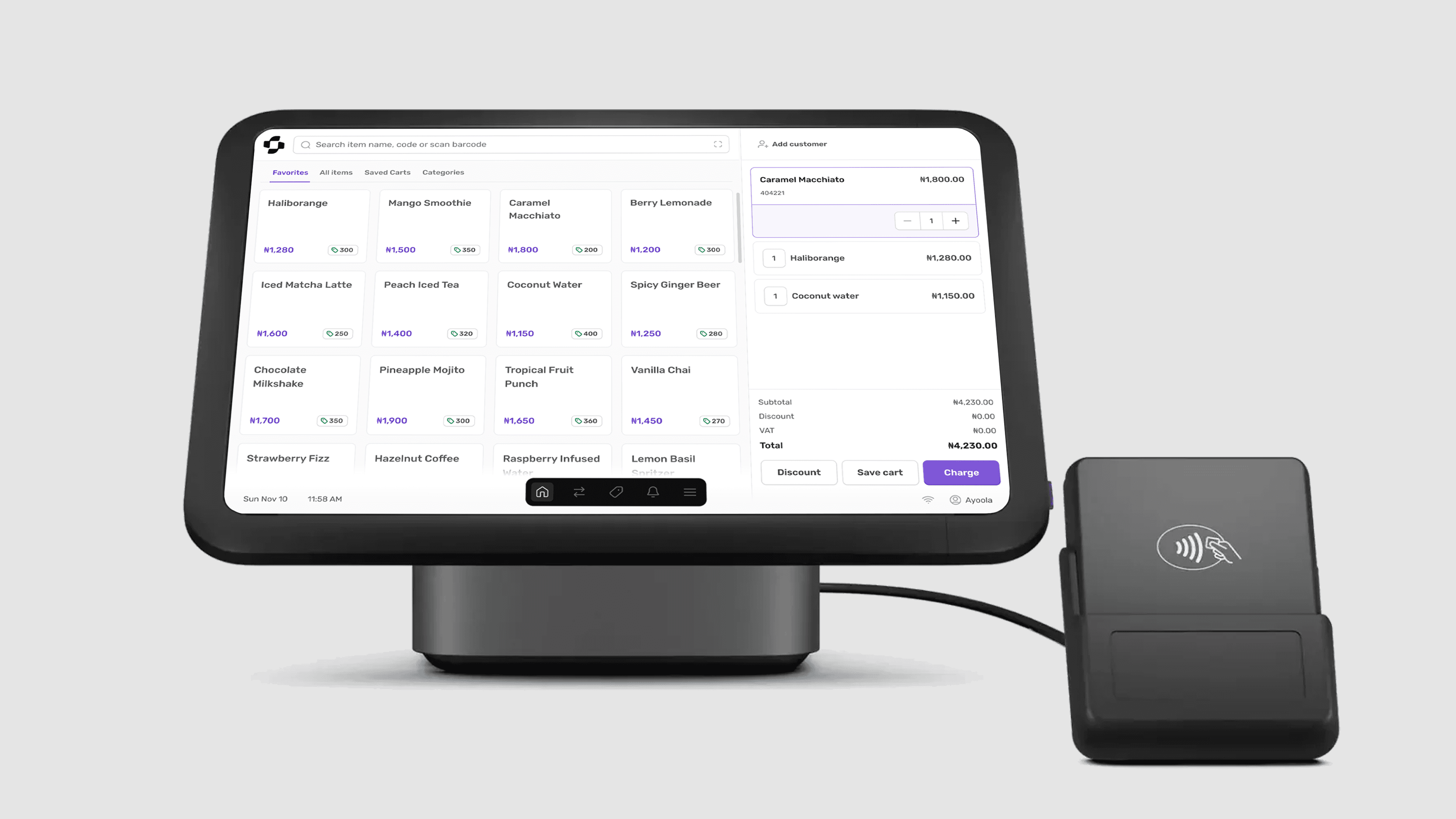
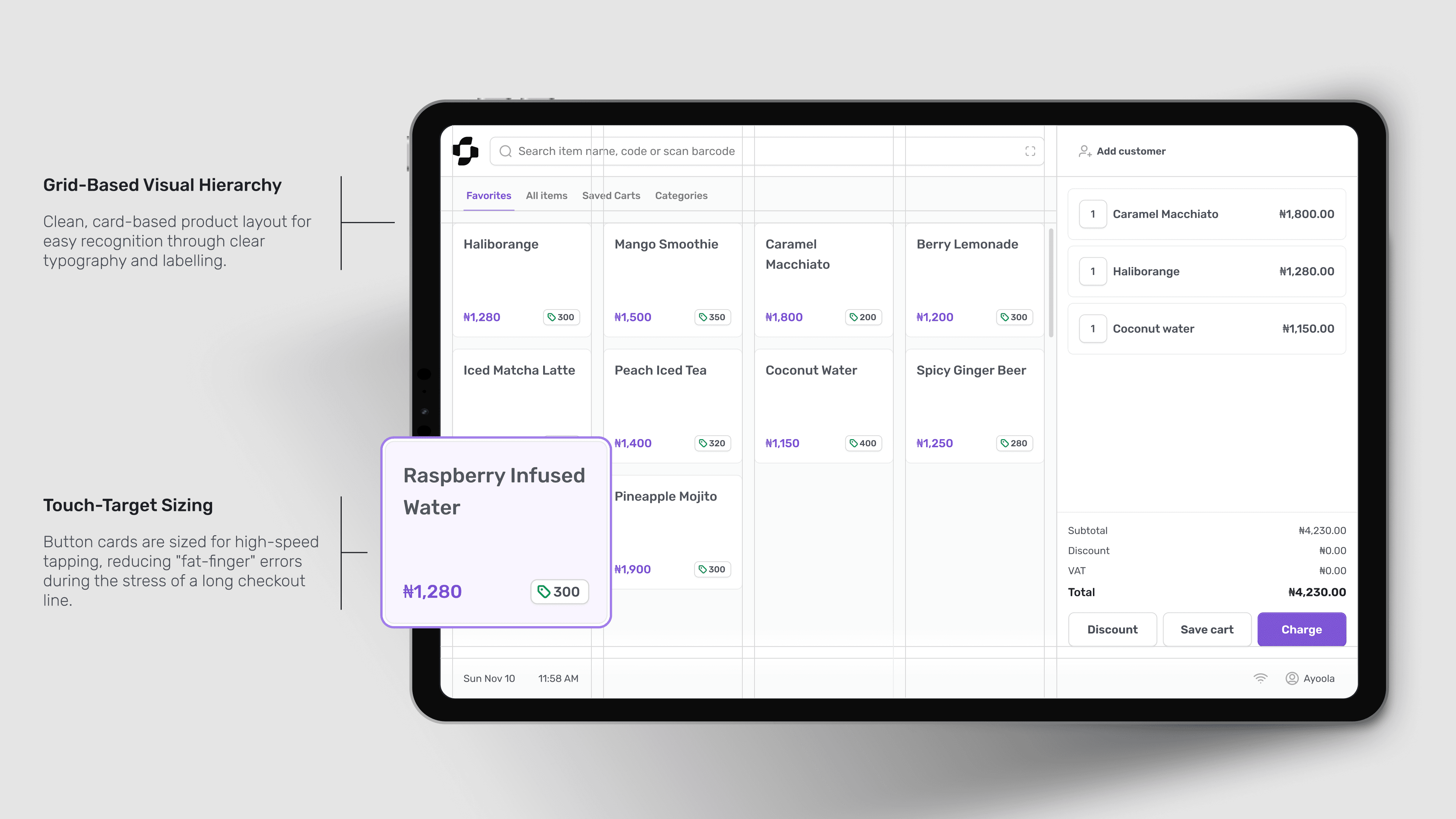
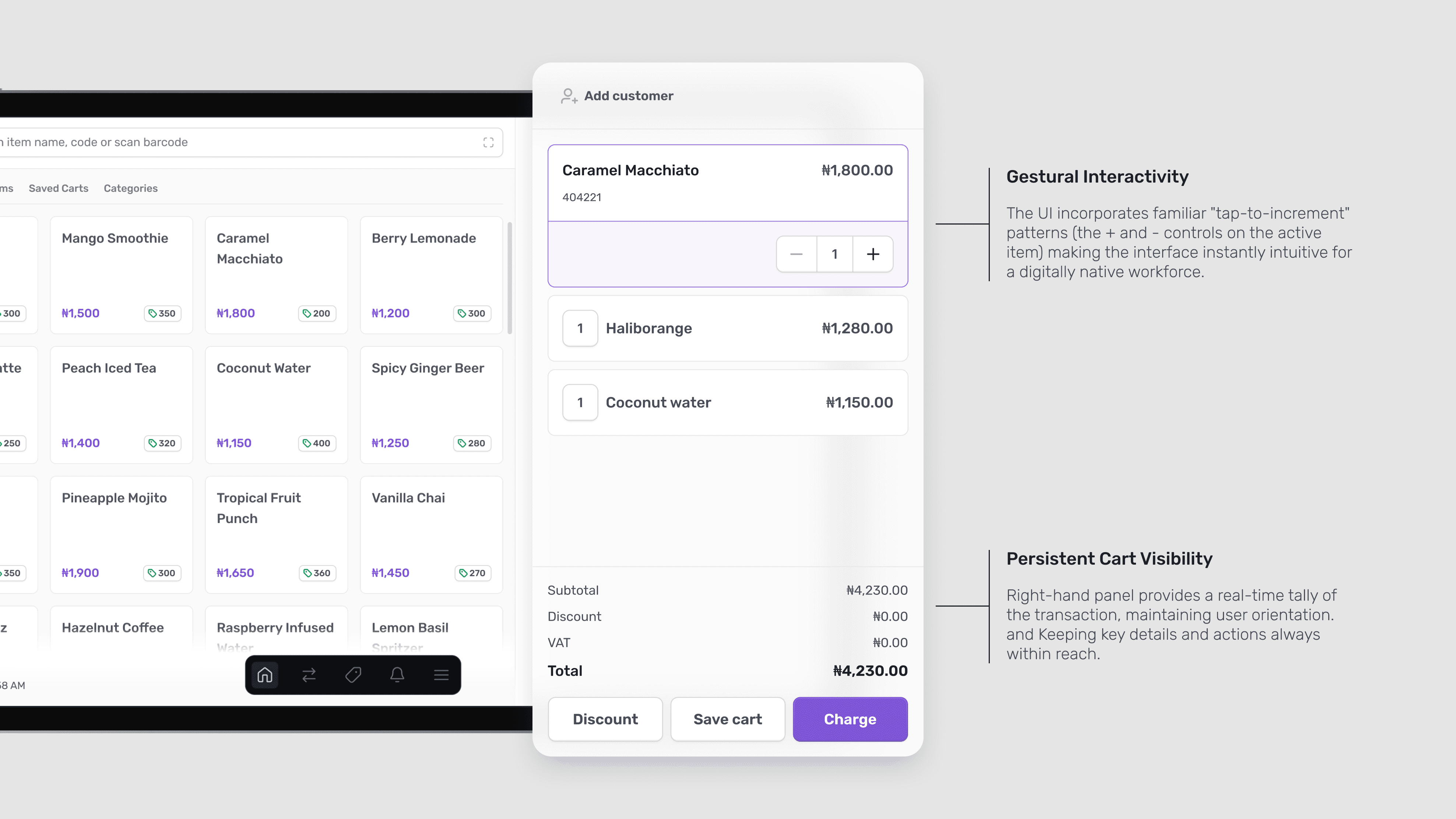
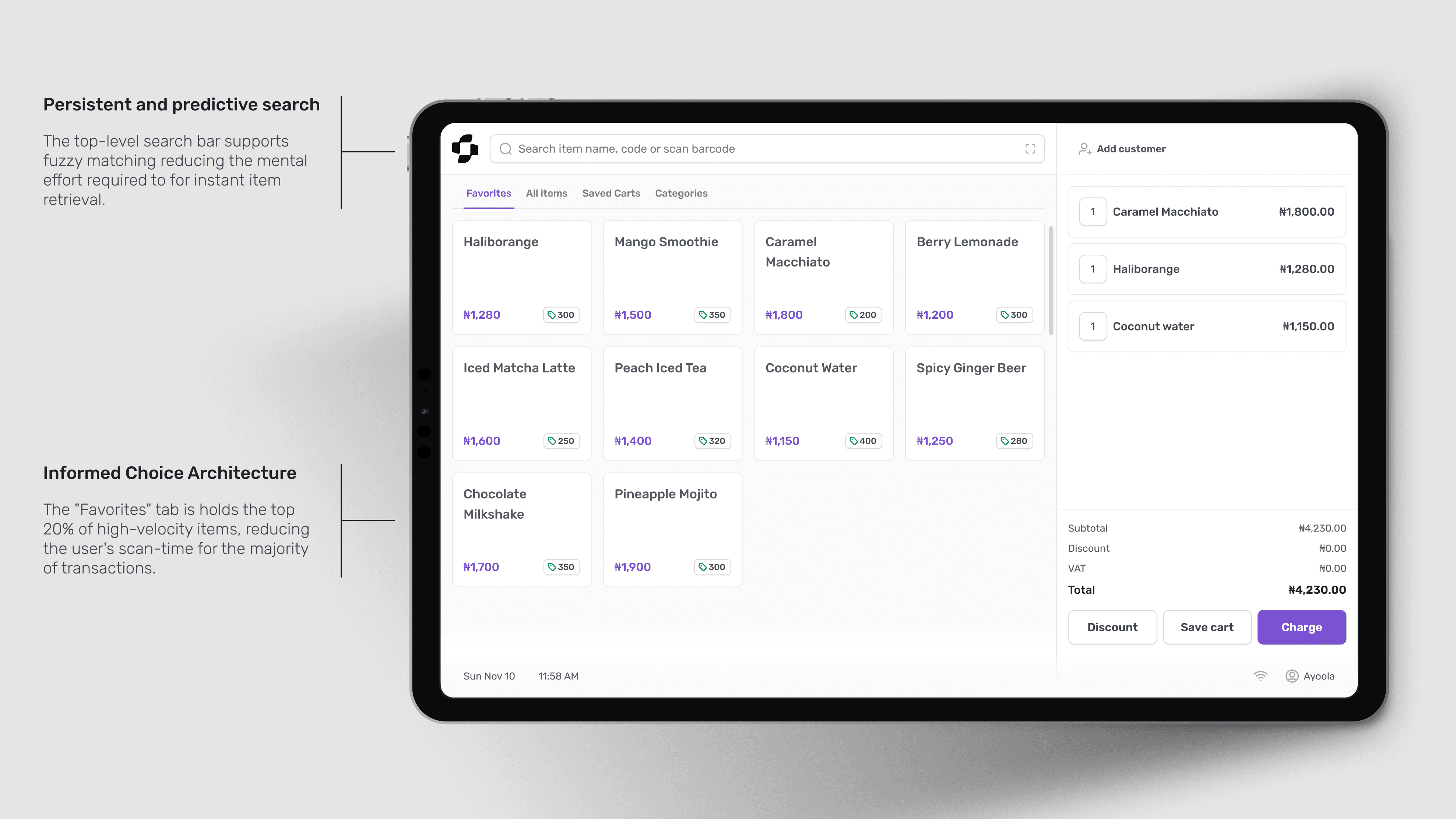
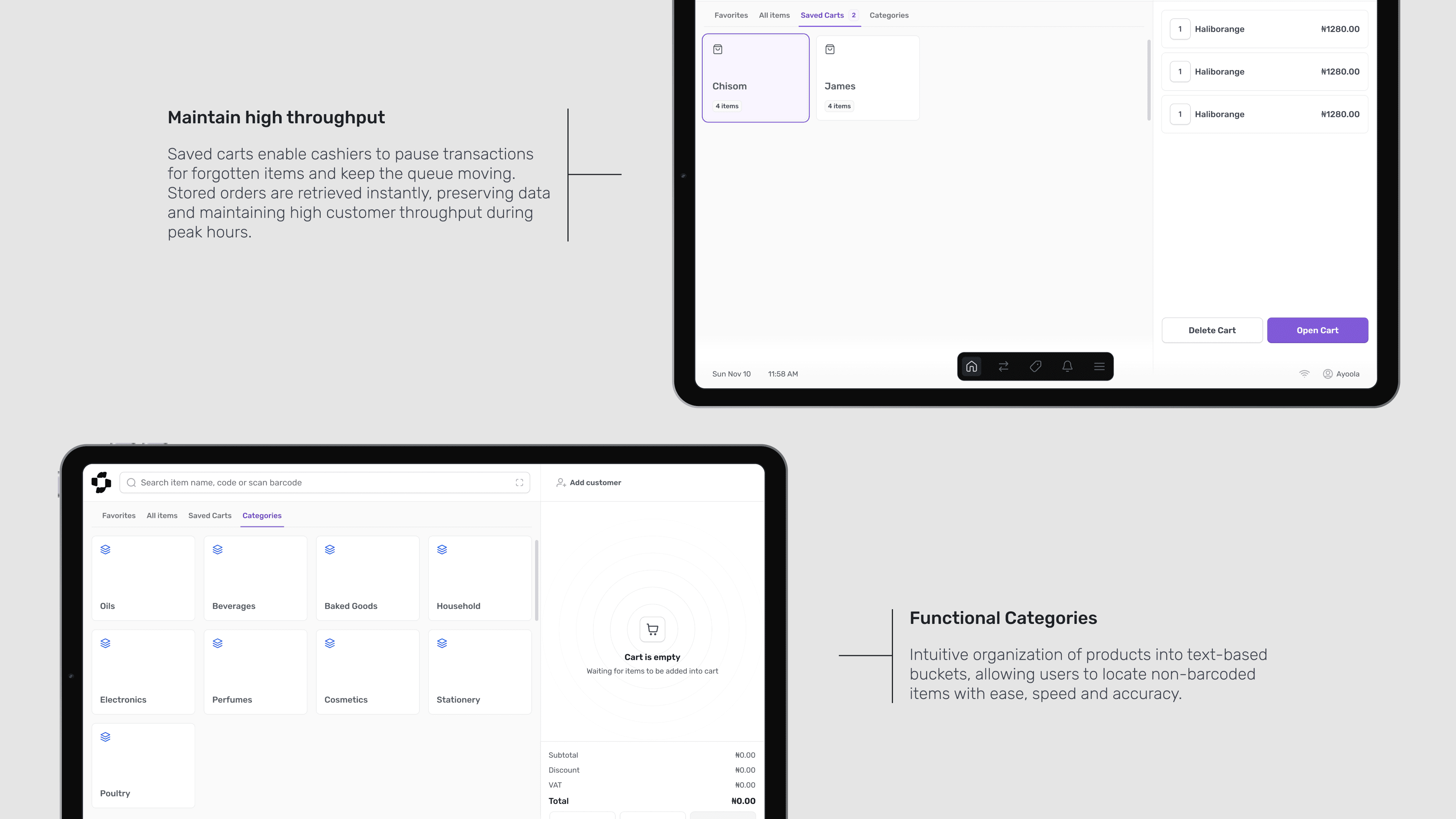
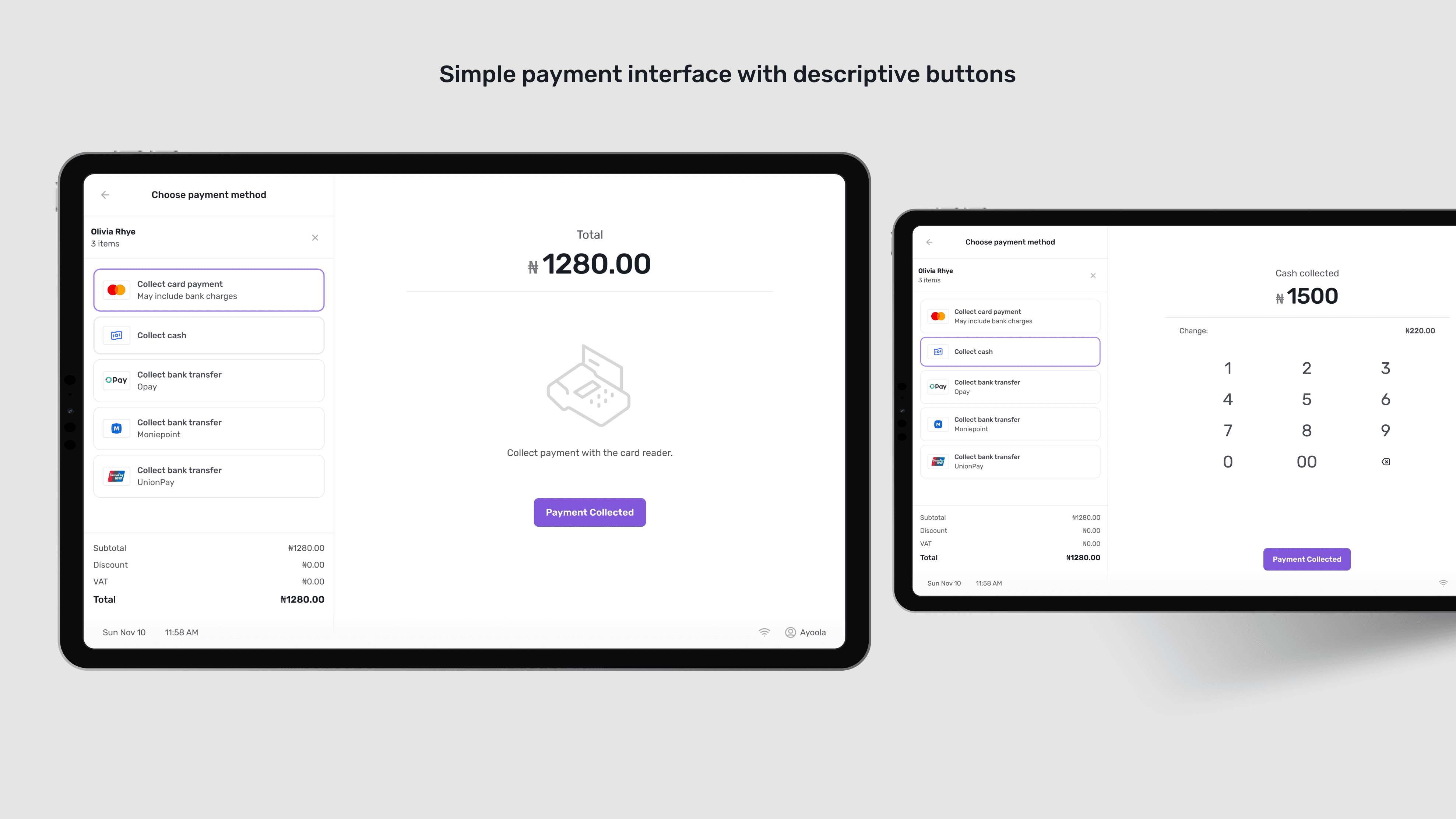
Designing a Modern POS experience that empowers cashiers
We replaced bulky legacy UX and hardware with a sleek experience and display that felt familiar and ensured even new cashiers could become proficient in minutes not days.
Design decision I
Designing a Modern POS experience that empowers cashiers
We replaced bulky legacy UX and hardware with a sleek experience and display that felt familiar and ensured even new cashiers could become proficient in minutes not days.
Design decision II
Designing an intelligent scan-to-shelf experience
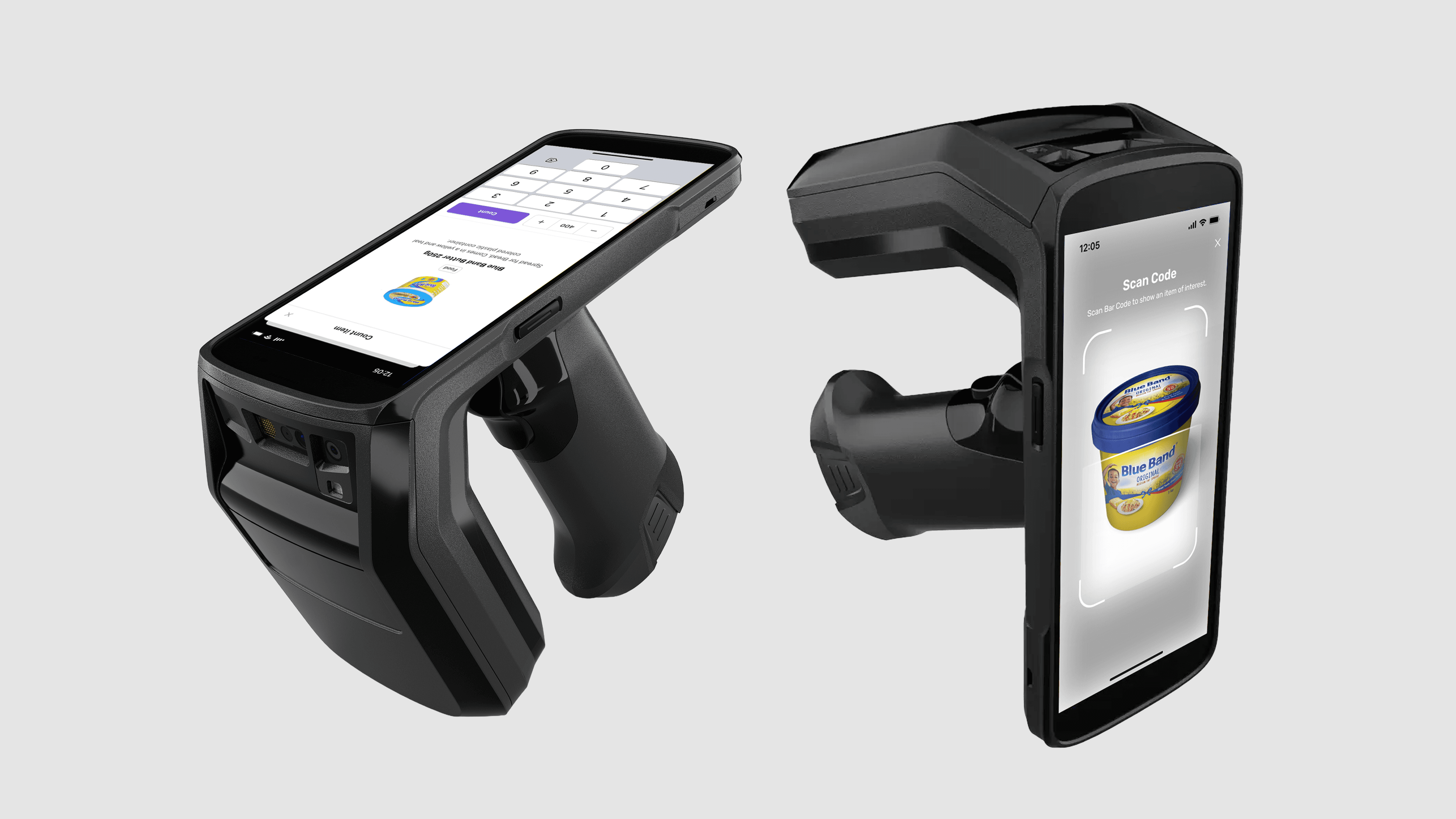
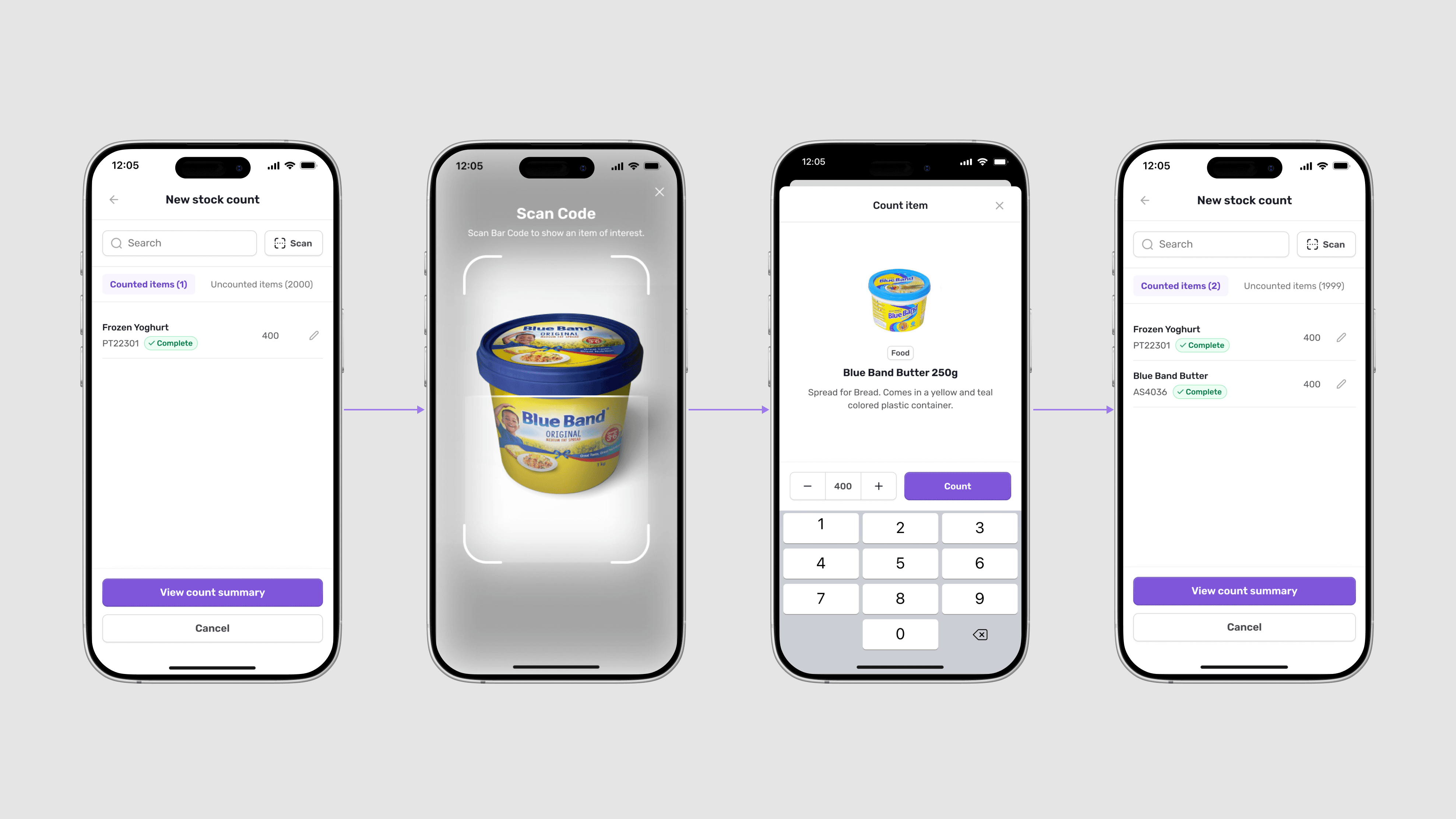
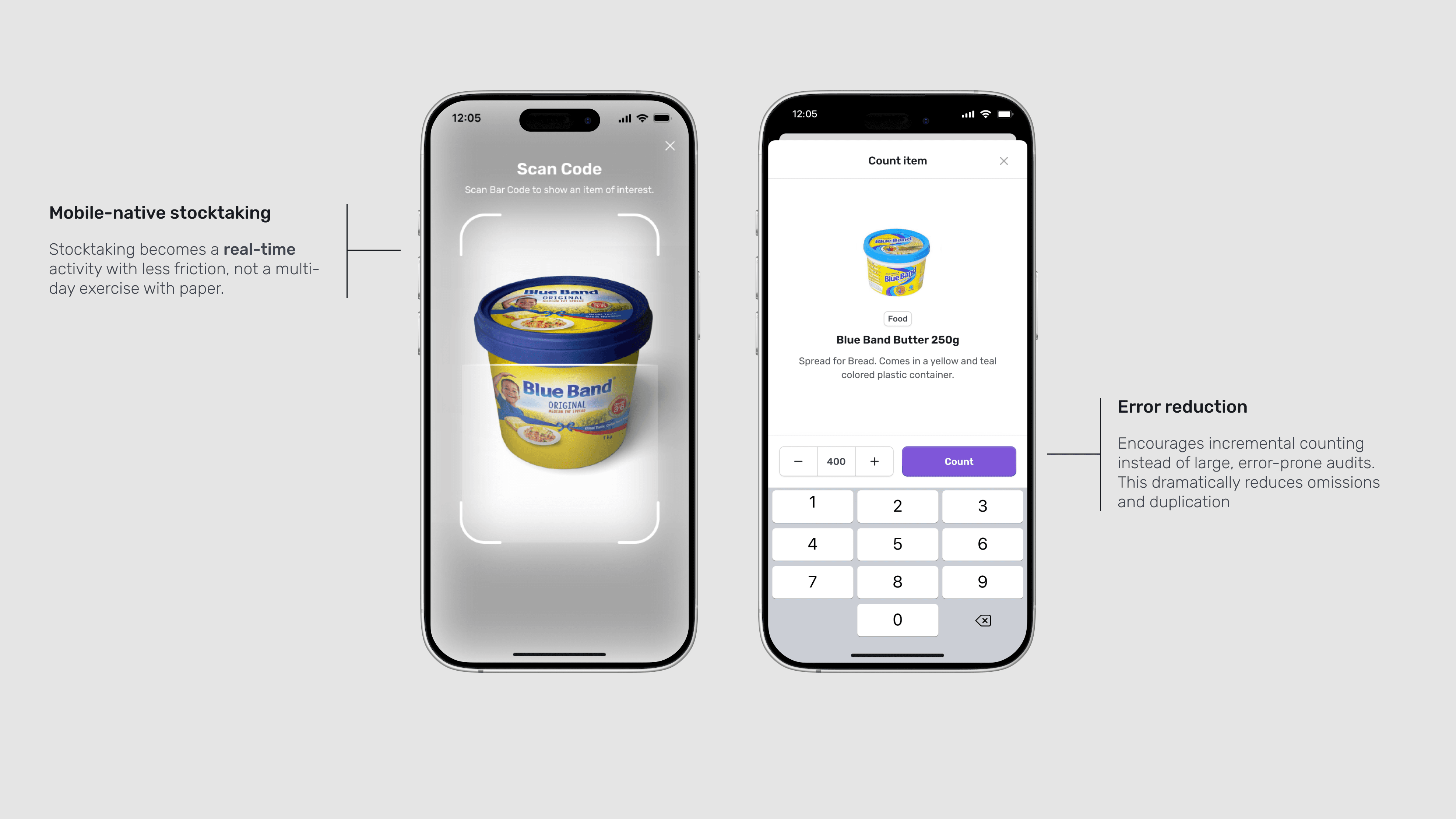
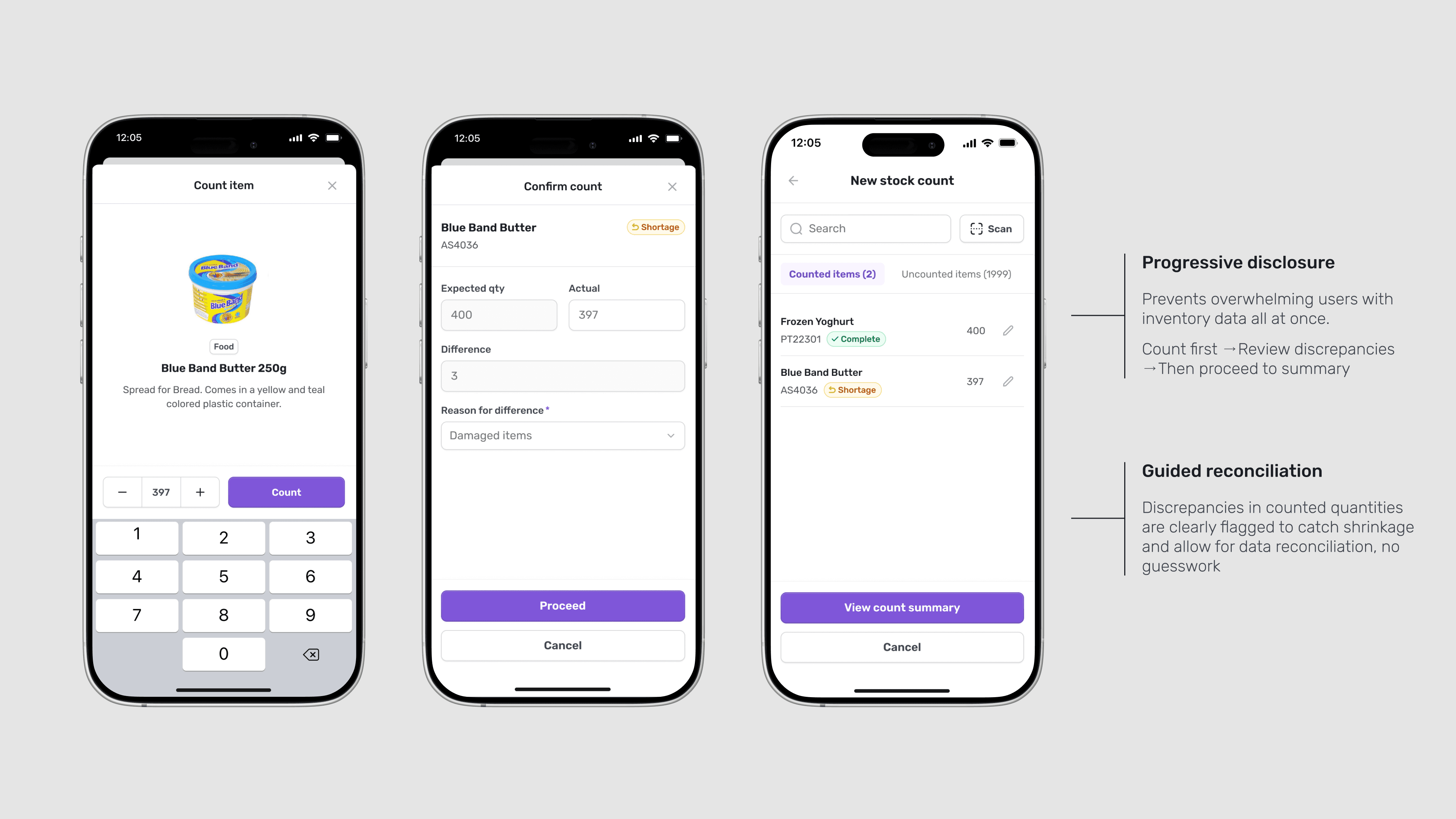
We replaced the error-prone "clipboard and carbon paper" method with a mobile-first, scan-based inventory application. By leveraging the device’s camera or integrated hardware scanners, store associates can now perform rolling inventory counts with zero friction.
Design decision II
Designing an intelligent scan-to-shelf experience
We replaced the error-prone "clipboard and carbon paper" method with a mobile-first, scan-based inventory application. By leveraging the device’s camera or integrated hardware scanners, store associates can now perform rolling inventory counts with zero friction.
Design decision III
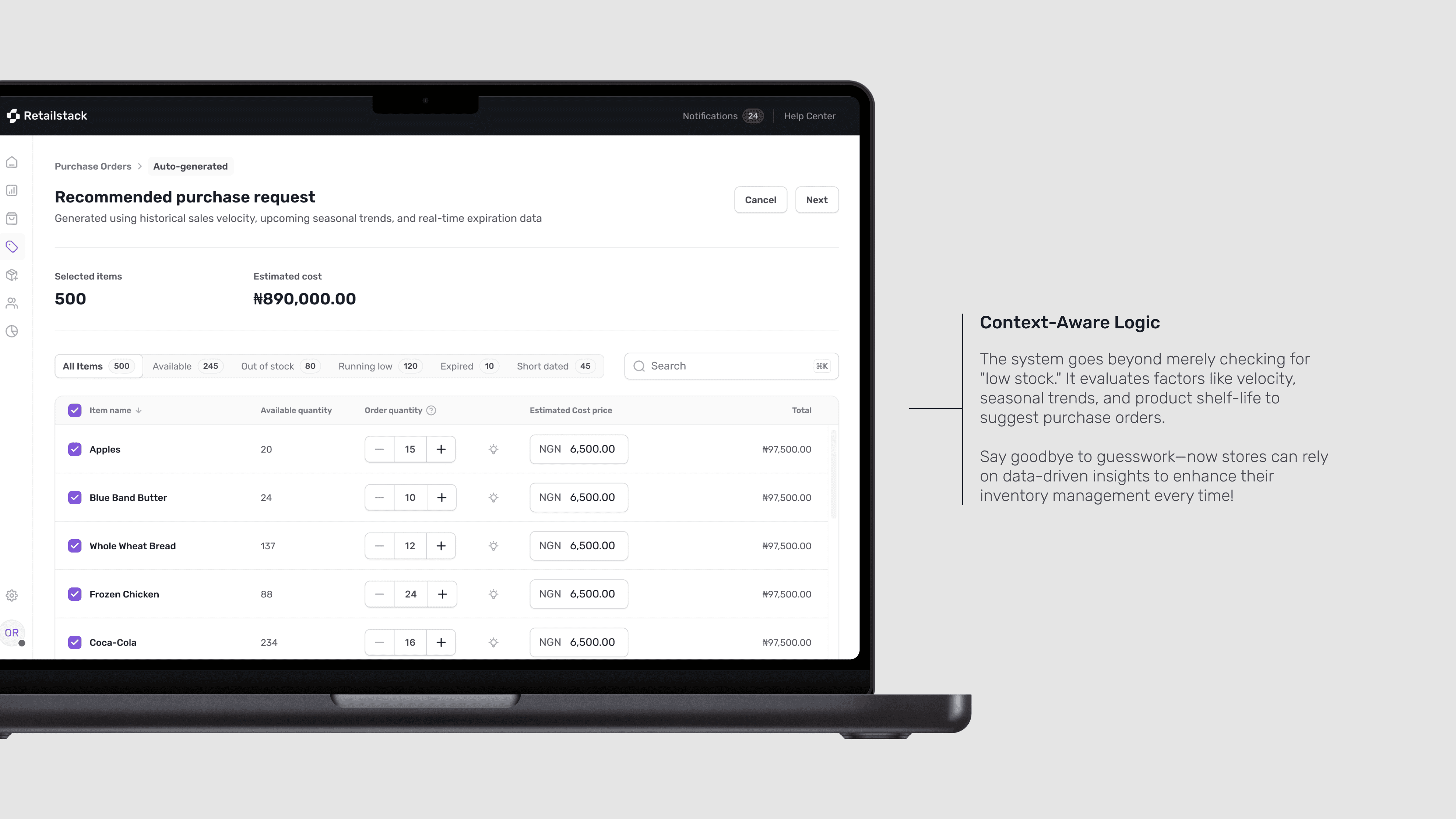
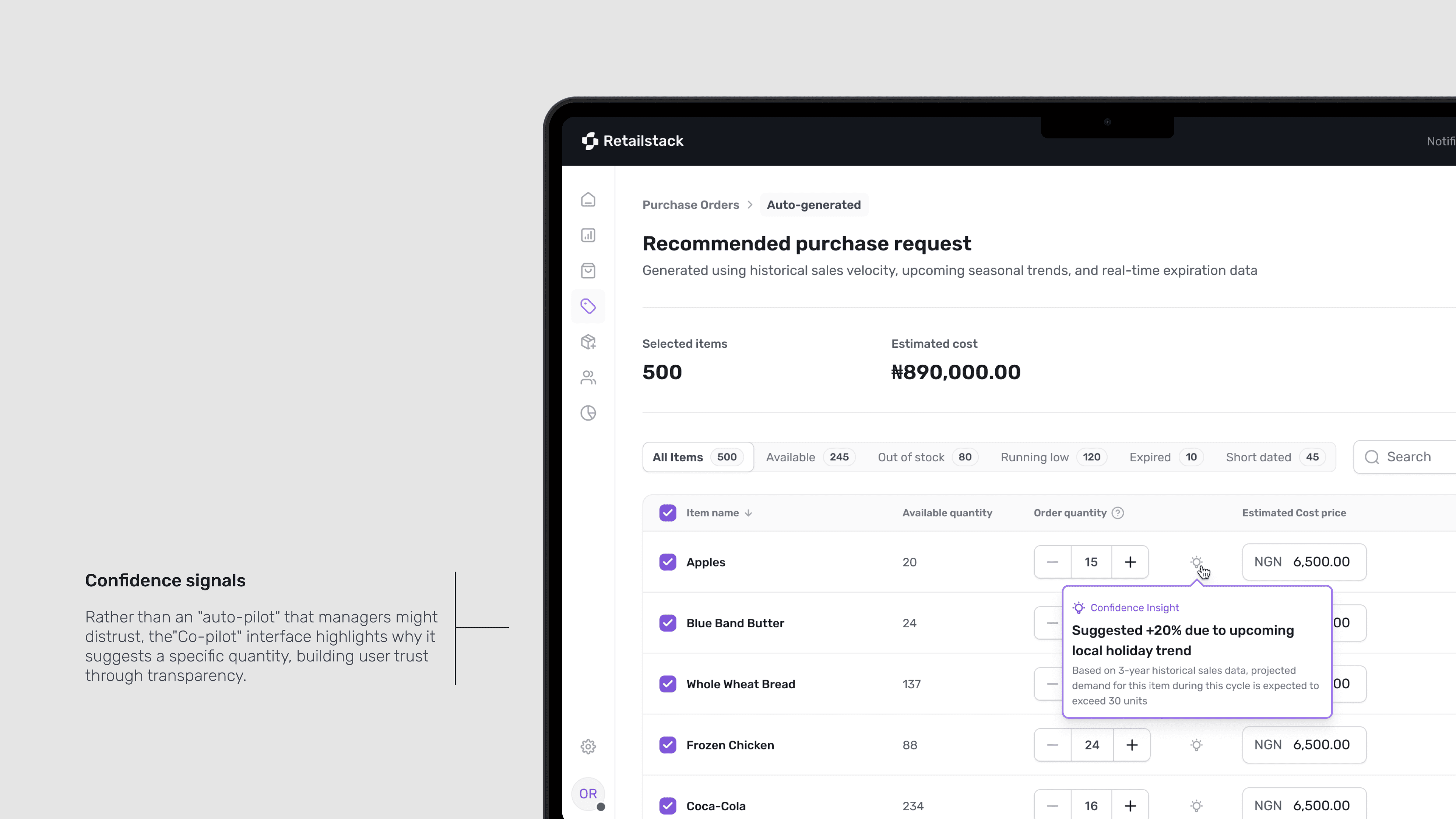
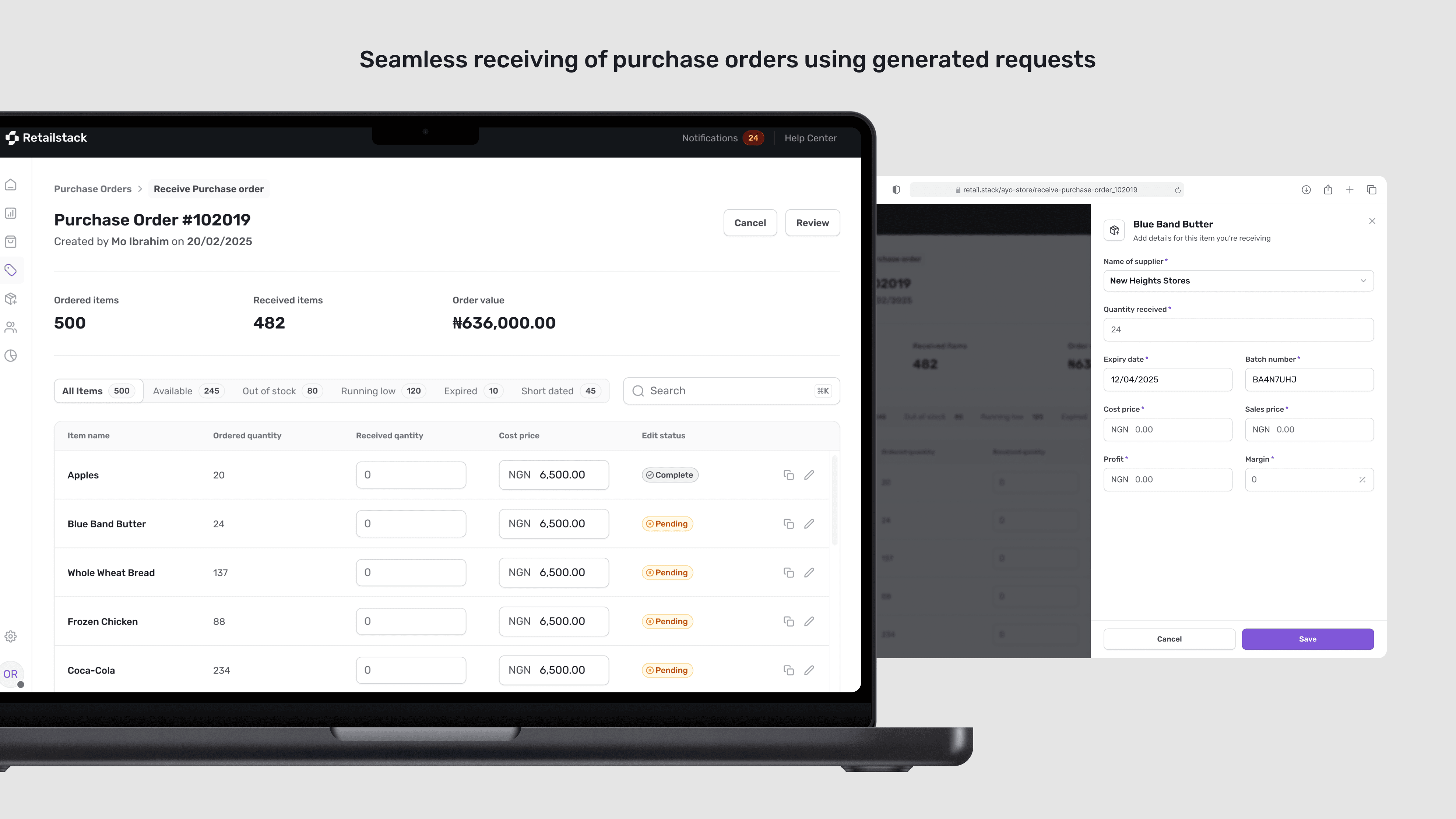
Designing a demand-aware engine for procurement & seamless receiving
We moved the store from "reactive ordering" to "Predictive Replenishment." By aggregating historical sales velocity, upcoming seasonal trends, and real-time expiration data, the system generates "Smart Purchase Drafts" that a manager can review and approve in seconds rather than hours.
Design decision III
Designing a demand-aware engine for procurement & seamless receiving
We moved the store from "reactive ordering" to "Predictive Replenishment." By aggregating historical sales velocity, upcoming seasonal trends, and real-time expiration data, the system generates "Smart Purchase Drafts" that a manager can review and approve in seconds rather than hours.
Design decision IV
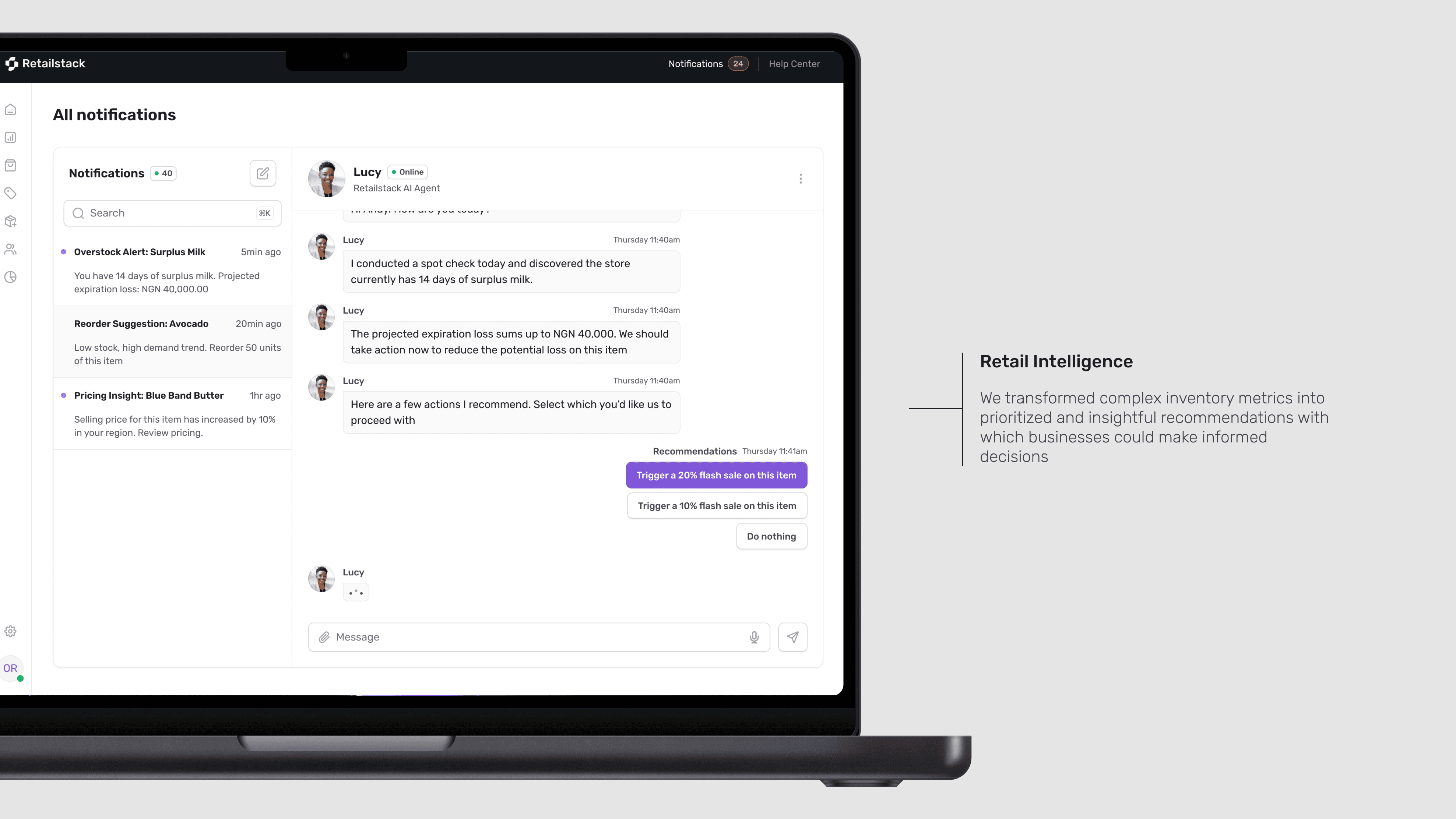
Designing an intelligent decision support system
We moved beyond static reporting to create a Proactive Recommendation Layer. Instead of forcing owners to hunt through spreadsheets for margin leaks or slow-movers, we designed a system that "surfaces the work," presenting data as clear, high-stakes business decisions and recommendations.
Design decision IV
Designing an intelligent decision support system
We moved beyond static reporting to create a Proactive Recommendation Layer. Instead of forcing owners to hunt through spreadsheets for margin leaks or slow-movers, we designed a system that "surfaces the work," presenting data as clear, high-stakes business decisions and recommendations.
Retrospective
Estimated impact on key metrics
We are piloting the new experience with a grocery store in Lagos, Nigeria. Within weekss, the estimated results will be significant:
Impact
+0%
+0%
Revenue lift through better stock availability
+0%
+0%
Decrease in time spent on replenishment tasks
+0%
+0%
Reduction in losses due to shrinkage
Retrospective
Estimated impact on key metrics
We are piloting the new experience with a grocery store in Lagos, Nigeria. Within weekss, the estimated results will be significant:
Impact
+0%
+0%
Revenue lift through better stock availability
+0%
+0%
Decrease in time spent on replenishment tasks
+0%
+0%
Reduction in losses due to shrinkage
Helpful resources
Books
Design for How People Think

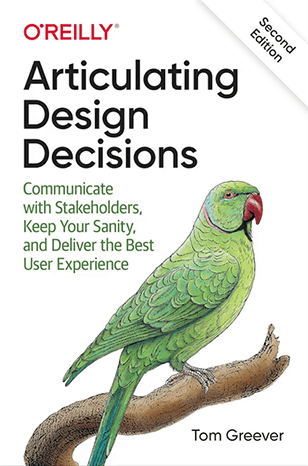
Articulating Design Decisions
UX Strategy

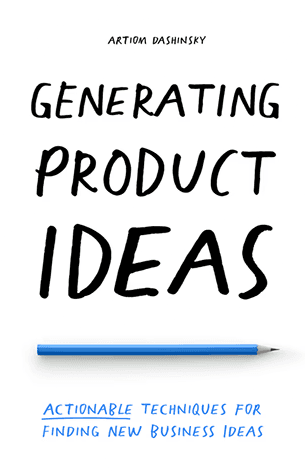
Generating Product Ideas
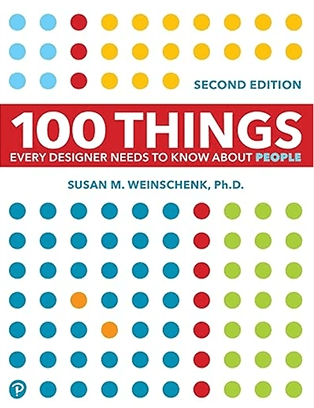
100 Things About People
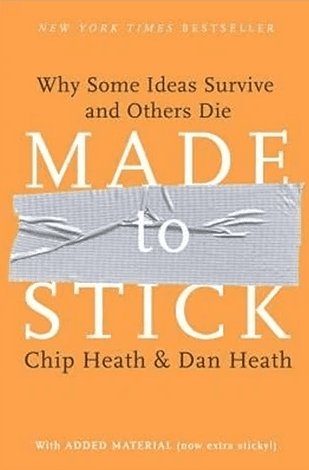
Made to Stick
Helpful resources
Books
Design for How People Think
Articulating Design Decisions
UX Strategy
Generating Product Ideas
100 Things About People
Made to Stick